Capturing Life - Creating Art
Photography is the unique intersection of science and soul, serving as a powerful medium that freezes time, documents human experiences, and transforms ordinary moments into lasting visual art. Beyond its technical mechanics, photography acts as a universal language that communicates complex emotions where words fall short. For individuals entering retirement, this art form evolves from a casual pastime into a vital tool for personal fulfillment, cognitive longevity, and emotional connection.
The Art of Capturing Life and Creating Art
Photography holds a unique position in the art world because it utilizes reality as its raw canvas. While a painter begins with a blank surface, a photographer interacts directly with the existing environment, making critical choices about light, shadows, and composition.
Preserving Impermanence: The camera instantly captures passing realities, such as family milestones, changing weather patterns, or fleeting expressions.
Visual Storytelling: Every snapshot offers a subjective viewpoint that communicates human emotions, cultural themes, and distinct personal narratives.
Creative Interpretation: Manipulating camera settings, perspectives, and post-processing tools allows creators to transform everyday scenes into abstract and evocative artwork,
The Importance of Photography in Retirement
Retirement presents a profound lifestyle transition that requires new sources of purpose, routine, and mental stimulation. Photography addresses these developmental needs perfectly, acting as an accessible yet endlessly complex creative outlet.
1. Cognitive Preservation and Skill-Building
Continuous Learning: Mastering exposure triangles, digital cameras, and editing tools provides the brain with vital mental exercise.
Mental Acuity: Managing compositional rules like the rule of thirds improves spatial awareness and keeps cognitive pathways highly engaged.
Adaptive Technology: Exploring modern tools like AI photo restoration allows retirees to seamlessly bridge historical memories with modern technology.
2. Physical Vitality and Environmental Presence
Motivated Movement: Pursuing outdoor subjects naturally encourages daily low-impact exercise through immersive "photo walks".
Heightened Awareness: Searching for compelling visual details causes retirees to slow down and view their immediate environments with deep gratitude.
Immersive Exploration: Incorporating photography into travel plans encourages active, meaningful exploration over passive sightseeing.
3. Social Connectivity and Leaving a Legacy
Shared Interventions: Joining local photography groups or online spaces creates valuable friendships built around shared creative interests.
Family Archiving: Documenting the growth of grandchildren ensures that family histories are beautifully preserved across generations.
Visual Legacy: Organizing a personal archive builds a cohesive visual timeline that represents a meaningful, lifelong perspective.
Ultimately, photography gives retirees a renewed sense of confidence and daily motivation. By turning the lens toward the world, older adults do not merely watch life pass by; they actively capture its beauty, document its changes, and leave behind an enduring artistic legacy.
If you want to become a better photographer, get and stay inspired, meet others who share your passion, learn how to capture precious moments and create art, The Villages Photography Club offers excellent opportunities to learn and grow.

John Crane

Ken Johnson
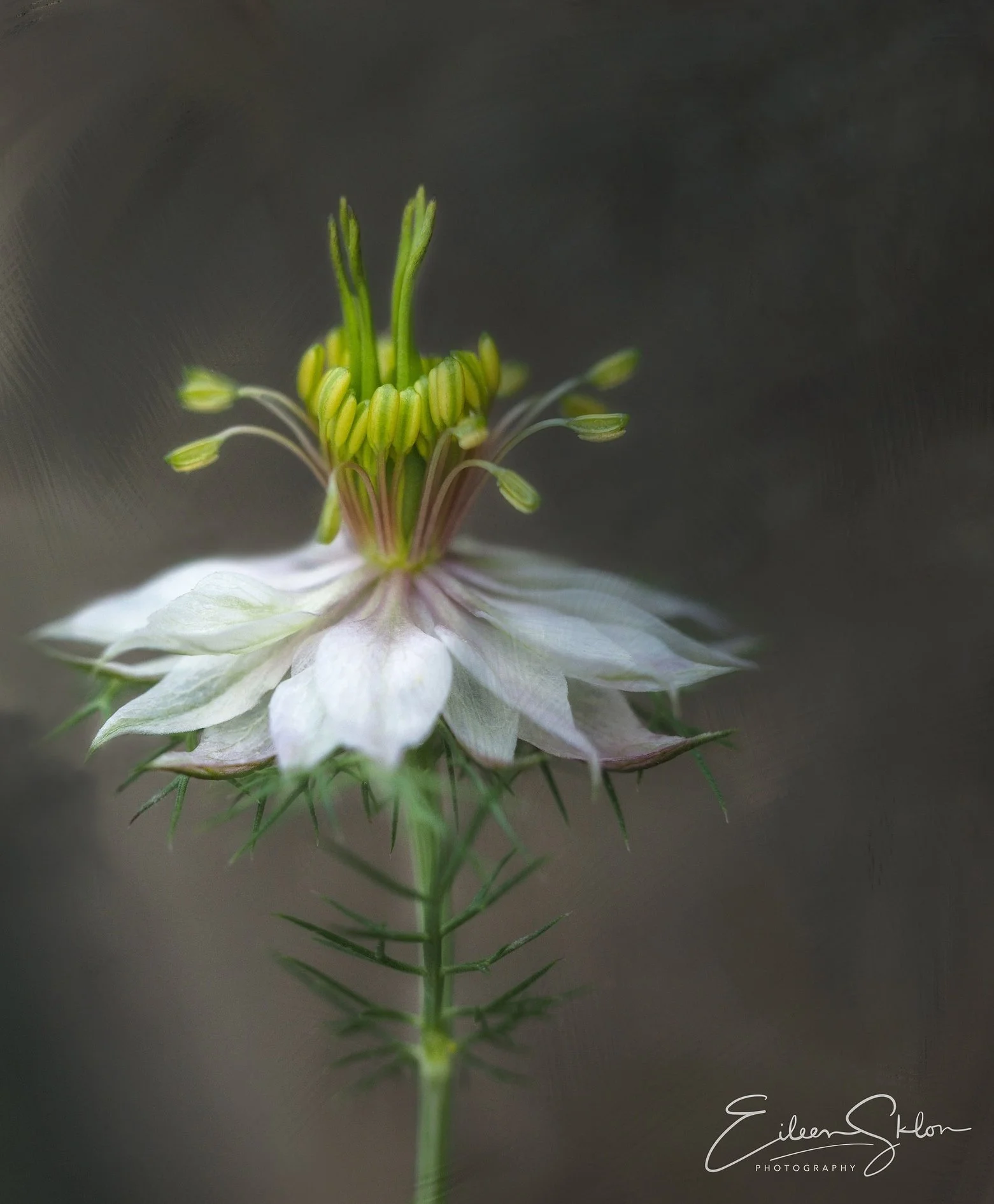
Eileen Sklon
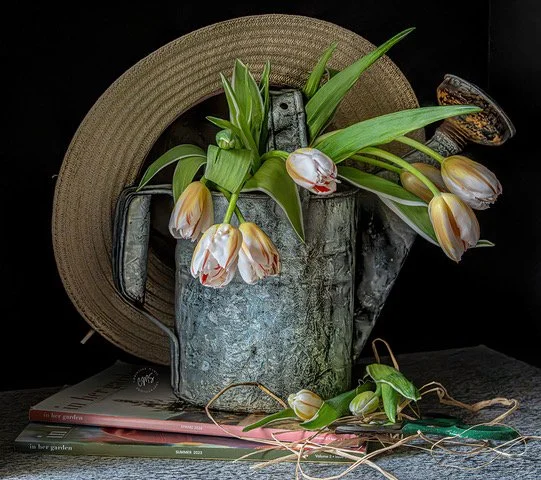
Christine Schmitz

Wendy Dunne